
Jun 03
Backflow Testing Requirements: What Property Owners Need to Know
Backflow testing is the process of inspecting and evaluating a backflow prevention device to ensure it is functioning properly and protecting the clean water supply from contamination. Many residential, commercial, and industrial properties are required to have backflow prevention devices tested periodically to maintain compliance and support water safety.
In areas with irrigation systems, commercial plumbing equipment, or changing water pressure conditions, such as communities throughout Broward County and South Florida, routine backflow testing plays an important role in maintaining reliable plumbing systems.
What Is a Backflow Prevention Device?
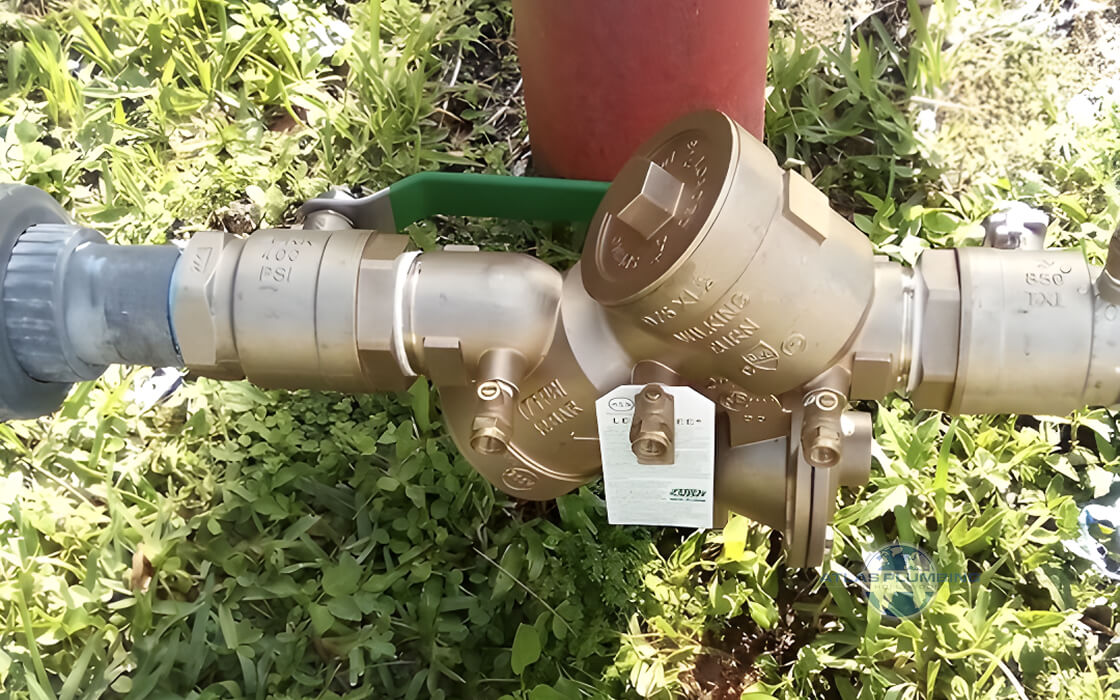
A backflow prevention device is designed to stop contaminated water from reversing direction and entering a clean water supply. These devices are commonly installed where there is a higher risk of cross-connection between potable and non-potable water.
They are frequently found on:
- irrigation systems
- commercial buildings
- restaurants
- medical facilities
- industrial properties
- multi-family residential systems
Some homes may also require them depending on the plumbing configuration and municipal guidelines.
Why Backflow Testing Is Important
Backflow prevention devices contain internal valves and mechanical components that can wear over time. Routine testing helps verify that the device is operating correctly and responding properly to pressure changes within the plumbing system.
According to the United States Environmental Protection Agency, cross-connections and backflow events can create risks to drinking water systems if prevention devices are not maintained and functioning properly.
Professional testing helps identify:
- valve wear or failure
- pressure irregularities
- leaking components
- device deterioration or corrosion
How Often Should Backflow Devices Be Tested?
Testing frequency depends on local municipal requirements, property type, and the type of backflow prevention assembly installed.
In many cases, testing may be required:
- annually
- after device repairs
- following replacement or installation
- when plumbing modifications are made
Commercial and industrial systems often have stricter compliance requirements due to increased water demand and specialized equipment.
What Happens During a Backflow Test?
A certified plumbing professional uses specialized equipment to evaluate how the device responds under controlled pressure conditions.
A typical backflow test may include:
- inspecting valves and fittings
- measuring pressure levels
- verifying proper valve operation
- checking for leaks or failures
- documenting test results for compliance purposes
The process helps determine whether the device is functioning correctly or requires maintenance or replacement.
Common Signs a Backflow Device May Need Service
While professional testing is important, property owners may also notice warning signs that suggest the system should be evaluated sooner.
Signs may include:
- leaking around the device
- unusual water discoloration
- reduced water pressure
- visible corrosion or rust
- unusual odors or taste in water
These issues do not always indicate contamination, but they may suggest the device is not functioning as intended.
Why Backflow Prevention Matters in Areas With Heavy Rainfall
Communities with frequent storms, irrigation systems, and fluctuating water pressure conditions may experience increased strain on plumbing infrastructure. Seasonal rainfall and flooding can contribute to pressure imbalances that increase the importance of properly functioning backflow prevention devices.
The Florida Department of Environmental Protection emphasizes the importance of protecting potable water systems through proper cross-connection control and maintenance practices.
Professional Backflow Testing and Plumbing System Health
Routine backflow testing supports long-term plumbing reliability and helps identify issues before they become more serious. In some cases, recurring plumbing performance issues may also point to broader system concerns such as buildup or drainage restrictions.
For example, certain properties may also benefit from professional services like hydro jetting or traditional drain snaking when deeper cleaning is necessary to maintain proper plumbing flow.
Property owners concerned about recurring plumbing issues may also benefit from understanding common causes of sewer line damage and how underlying pipe conditions can affect system performance.
Protecting Water Quality Long-Term
Backflow prevention devices play an important role in protecting clean water systems in homes and businesses. Routine testing, timely maintenance, and professional inspection help support safer plumbing infrastructure and long-term water quality protection.For property owners, understanding backflow testing requirements and recognizing warning signs can help reduce risk and support reliable plumbing system performance over time. For local property owners who want backflow prevention services, Atlas Plumbing of Hollywood is here to help. Proudly serving Hollywood, FL and the Greater Broward County Area with reliable, trusted service for the last 50+ years. Contact us today to schedule an appointment.
164 Views